


 By Simran - August 19, 2026
_19-57-2026_03-57.jpg)
The Qatar Red Crescent Society (QRCS) has strengthened its position as a leading humanitarian organisation in the region through extensive relief and development projects, international partnerships and continued investment in its human and operational capabilities.
The organisation has developed an integrated preparedness and response system designed to help it respond quickly and effectively to crises, natural disasters and humanitarian emergencies in Qatar and around the world.
Preparedness at the Heart of QRCS Humanitarian Work
According to Mohammed Bader Al Sada, Assistant Secretary-General for Relief and International Development Sector at QRCS, the growing frequency and complexity of global disasters means that rapid response alone is no longer enough.
He explained that effective humanitarian action increasingly depends on advance preparedness, strong partnerships and well-trained teams capable of operating in challenging environments.
QRCS has therefore focused on building a comprehensive system that allows it to assess risks, mobilise resources and deploy humanitarian assistance quickly when emergencies occur.
Three Key Pillars of QRCS Readiness
Al Sada highlighted three main pillars supporting QRCS's preparedness system.
The first is its integration with Qatar's national emergency management system. Through its membership in the Civil Defense Council and cooperation with relevant authorities, QRCS contributes to national emergency plans and disaster response efforts.
The second is its membership in the International Red Cross and Red Crescent Movement, which gives the organisation access to international expertise, resources and humanitarian networks.
The third pillar is continuous investment in human resources and operational capabilities, including response teams, logistics, emergency supplies and specialised training.
24-Hour Disaster Information Centre
QRCS operates a 24-hour Disaster Information Management Center that monitors humanitarian developments and supports decision-making during crises.
The centre helps assess emerging risks, analyse humanitarian situations and provide information needed for timely interventions.
QRCS has also continued to strengthen its rapid response teams, logistics capabilities and strategic stockpiles of relief and medical supplies.
International Accreditation for Psychosocial Support Unit
QRCS recently achieved a significant international milestone by becoming the first organisation in the world to receive international accreditation for its psychosocial support emergency response unit.
The organisation is also working towards obtaining international accreditation for its Type II field hospital, further strengthening its capacity to provide specialised medical assistance during major emergencies.
167 Projects Benefit More Than 4.17 Million People
During the first half of 2026, QRCS's Relief and International Development Sector completed 167 relief and development projects across 20 countries.
The projects benefited approximately 4,175,837 people, with a total financial value of QR114.6 million.
The organisation's interventions have focused on communities affected by conflicts, natural disasters and other humanitarian emergencies, with particular attention to vulnerable populations.
Humanitarian Response Across Crisis Zones
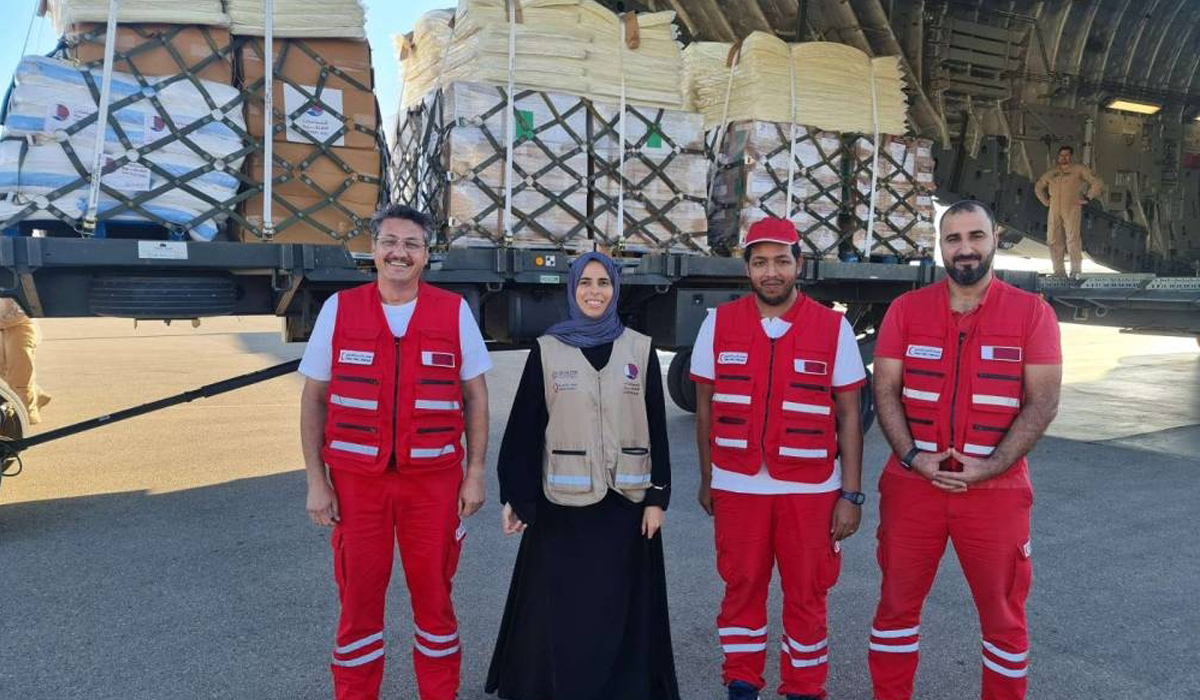
Throughout 2026, QRCS continued its humanitarian operations in several countries affected by complex crises, including the Gaza Strip, Sudan, Yemen and Afghanistan.
The organisation has also participated in emergency responses to natural disasters, including the recent earthquake disaster in Venezuela, working alongside national Red Cross and Red Crescent societies and the International Federation of Red Cross and Red Crescent Societies (IFRC).
Its assistance has included medical and relief personnel, as well as specialists in psychosocial and social support.
Support for Health, Food, Shelter and Water Services
QRCS humanitarian interventions cover a wide range of essential needs.
These include providing medicines and medical supplies, supporting hospitals and health centres, distributing food and shelter materials, and improving access to water and sanitation services.
The organisation also implements psychosocial support and early recovery programmes, helping affected communities recover from emergencies, rebuild stability and strengthen their ability to become self-reliant.
The interventions are guided by the humanitarian principles of neutrality, impartiality and independence.
Disaster Management Training Strengthens Readiness
One of QRCS's major achievements during the first six months of 2026 was the organisation of its 10th Disaster Management Training Camp, held under the official sponsorship of the Qatar Fund for Development (QFFD).
The nine-day camp brought together around 300 participants and covered 12 specialised training areas.
The programme was designed to strengthen the readiness of staff and participants and improve their ability to manage complex emergencies and disasters.
Training Based on Realistic Disaster Scenarios
QRCS places strong emphasis on practical training and simulation exercises.
Participants are exposed to realistic disaster scenarios that allow them to develop skills in needs assessment, emergency response, team management, shelter operations and field coordination.
Training programmes cover areas such as disaster management, emergency medical services, logistics, information management, shelter operations and psychosocial support.
Leadership and team management skills are also included to prepare personnel for the demands of working in high-pressure humanitarian environments.
Disaster Information Centre Tracks Global Crises
The organisation's Information Management Center was activated during 2026 and issued eight situation summary reports covering humanitarian developments in countries including Venezuela, Mozambique, Afghanistan, Kenya, Chile, the Philippines, Indonesia and Colombia.
These reports help humanitarian teams understand developing situations and support informed decisions about potential responses.
Qatar Red Crescent Supports National Emergency System
At the national level, QRCS plays an active role in Qatar's emergency management system through its membership in the Civil Defense Council.
The organisation works with relevant authorities to coordinate resources, exchange information and strengthen emergency preparedness.
This cooperation is intended to ensure a rapid and coordinated response when disasters or major emergencies occur within Qatar.
International Network Enables Faster Response
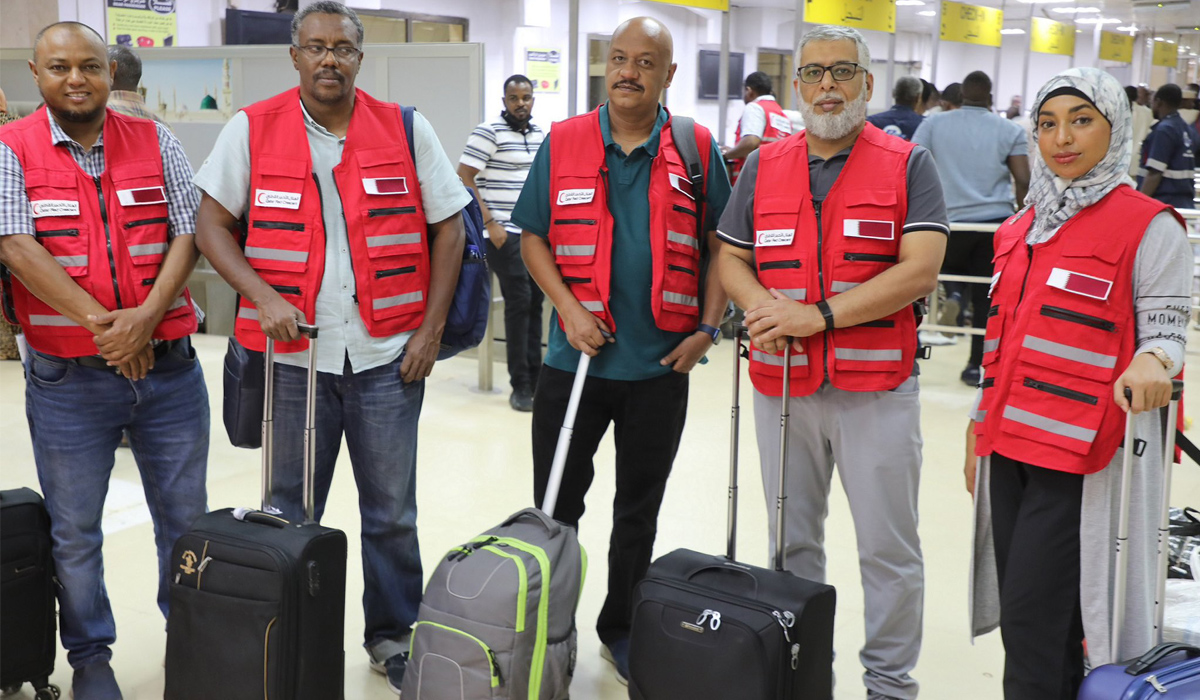
QRCS's network of offices, international missions and humanitarian partners allows it to reach affected communities more quickly when disasters occur.
According to Al Sada, the first hours following a disaster are particularly critical for saving lives. Maintaining response teams, emergency supplies, transport systems and logistics networks in a constant state of readiness therefore remains a major priority.
Disaster Management Camp Builds Future Humanitarian Leaders
The annual Disaster Management Camp has become an important initiative for developing young humanitarian professionals from Qatar and other countries across the region.
Rather than functioning solely as a classroom-based programme, the camp provides participants with an immersive field experience based on simulated emergency situations.
The programme is also notable for being offered in Arabic, with more than 300 participants and trainers from different countries taking part.
Through practical exercises, participants learn how to assess needs, manage teams, operate shelters and respond to complex challenges under time pressure.
Global Expertise and Knowledge Sharing
QRCS regularly participates in international accreditation programmes and exercises while bringing experts from around the world to train its personnel.
This approach allows the organisation to transfer international best practices to its teams while strengthening professional networks and cooperation with humanitarian organisations worldwide.
Investing in People to Save Lives
Al Sada emphasised that human capital remains at the centre of effective humanitarian response.
QRCS therefore continues to invest in staff and volunteer training, practical exercises and capacity-building initiatives to ensure that its teams are ready to respond in some of the world's most challenging environments.
The organisation's growing preparedness system, international partnerships and operational capabilities are aimed at ensuring that assistance can reach vulnerable communities quickly when crises occur.
QRCS Expands Its Humanitarian Impact
As global humanitarian needs continue to grow, QRCS says it will continue strengthening its preparedness, expanding partnerships and developing its response capabilities.
The organisation's approach is based on the belief that preparedness begins before a crisis occurs, through investment in people, systems, resources and partnerships.
Under its humanitarian mission of "Saving Lives and Preserving Dignity," Qatar Red Crescent continues to work towards being ready to respond wherever humanitarian needs arise.

.jpg)
.jpg)

_20-08-2026_05-08.jpg)
_27-51-2026_11-51.png)
_27-43-2026_12-43.png)



.jpg)
.jpg)



.jpg)


.jpg)
.png)
.jpg)













Leave a comment